People who question everything, dream big and feel they have a role to play in a world that changes too fast. That includes curious teenagers from 13, young adults figuring out what's next, and professionals who feel the urge to build something. It is not a book of theory or a recipe for success. It is a book about figuring yourself out.
For the teen who is bored at school, questions every rule and doesn't know what to study, but still believes they can make a difference.
A book for teenagers →Ages 18 to 25For you if everyone asks what's next and you are not sure yet. It won't hand you a career plan. It helps you read the world and pick your next step.
A book for young adults →Late 20s and upFor the employee with contrarian ideas and an urge to create something that matters, inside a company or on your own.
A book for professionals →Teacher? See Unstable Innovation for schools. Loved The Alchemist or 7 Habits? See how it compares.

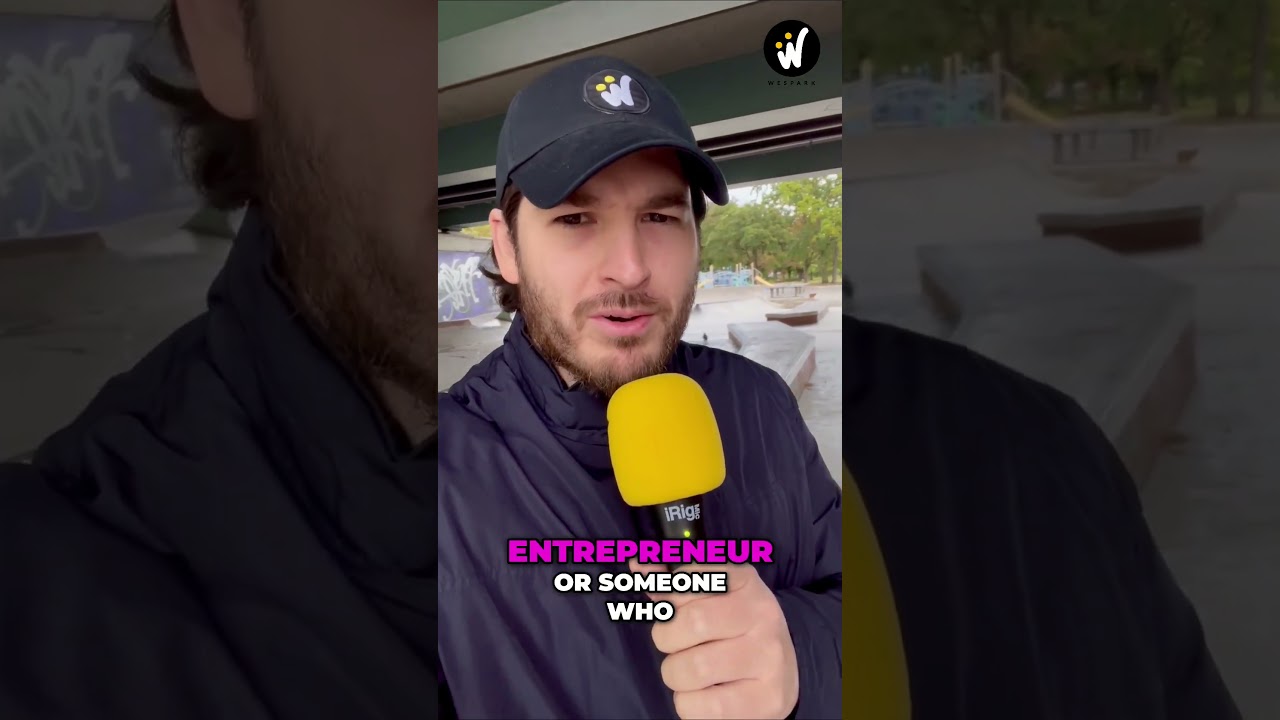
In 60 seconds: Nelson on who he wrote the book for.
Skip this book if you are looking for any of these. Better to find out now than after 215 pages.
13 and up. The language is clean and the chapters are short, so a curious 13 year old can read it. The more life you have lived, the more of the philosophy under each chapter you will see.
| Age | What they get from it |
|---|---|
| 13 to 15 | The stories and the big ideas: chaos is normal, failure is part of the path, and you can choose where to put your energy. Some parts, like game theory and business models, will be harder. Skimming those is fine. |
| 16 to 19 | The sweet spot for “what should I do with my life?”. The chapters on mindset, knowledge and skills help before choosing what to study. |
| 20s | How to read a fast-changing world, spot your moment of truth and commit to one problem worth solving. |
| 30s and up | The deeper layer: Stoicism, incentives, eudaimonia, and what it takes to build something without losing yourself. |
Buying it for a teenager? Read our page for parents, with an honest look at what a 13 year old will and will not understand, plus nine questions to talk about together.
A short, practical book that reads like a conversation. In Nelson's own words, it is a philosophy book disguised as an innovation and entrepreneurship book.
pages in 9 chapters, from “Opening Chaos” to “Spark”
of reading for most people
stars across 12 verified reader reviews
languages: English, and Spanish as Innovación Inestable
It comes from an entrepreneur who has seen the good, the bad and the ugly: from Microsoft, Siemens and Lufthansa Group, where he designed four new innovation departments, to building WeSpark in El Salvador. The book opens with a dedication: “For those who fall a thousand times and rise each time, ready to fly again.”
People who question everything and want to build or change something: curious teenagers from 13, young adults figuring out their next step, and professionals who feel the urge to create, whether they are employees or entrepreneurs.
People looking for a step-by-step recipe for success, an academic textbook or a get-rich-quick plan. It is also not meant for children under 13.
13 and up. The language is clean and the chapters are short. Younger teens get the stories and the big ideas. Older readers see more of the philosophy under every chapter.
No. If you care about entrepreneurship, great. If you don't, that's also okay. The book is for anyone who wants to be more creative and add value to others, as a student, an employee or a founder.
No. It doesn't sell a recipe or ten steps to success. It focuses on figuring yourself out: when and where you should be to spark change, take control of your life and live it on your own terms.
About 3 to 4 hours. The English edition has 215 pages and 9 chapters, written in plain, easy language.
Yes. The PDF, EPUB and Kindle files are free on this site. The paperback is on Amazon in 13 countries and at every Librería Internacional shop in El Salvador.
Read it free today, get the paperback for your shelf, or give it to someone who needs it.